how does a blood pressure cuff work physics
How does a blood pressure cuff work physics. A sphygmomanometer is a specially designed device that is used to measure the blood pressure of individuals.
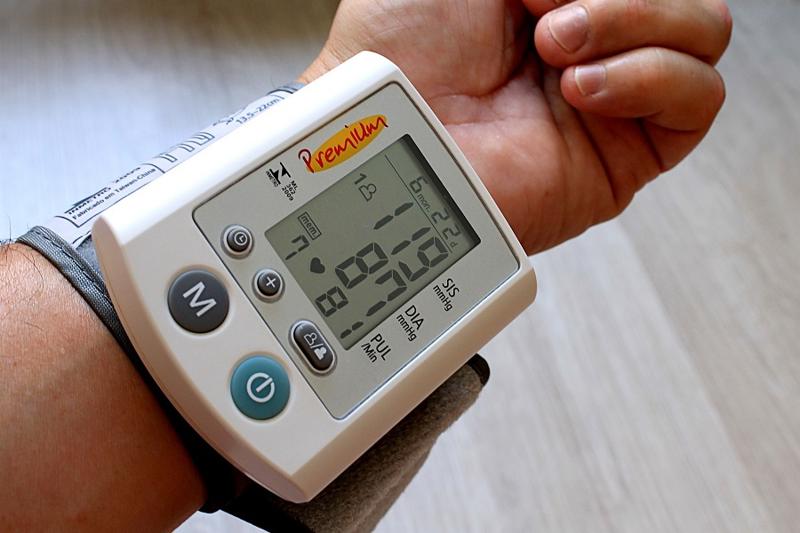
Researchers Reveal Scale Of Prevalence Of A Condition That Can Cause Type 2 Diabetes And High Blood Pressure University Of Birmingham
As the pressure keeps dropping these oscillations reach a point of maximal amplitude.

. The cuff pressure at this point is the MAP. To measure blood pressure. Blood flow refers to the movement of blood through a vessel tissue or organ and is usually expressed in terms of volume of blood per unit of time.
With the lever in the sensing position the occlusive cuff is inflated above systolic pressure. The transducer can see through the tubing and into the cuff. It is made of an inflatable rubber cuff thats wrapped around the persons arm.
Using a blood pressure cuff thats too large or too small can give you inaccurate blood pressure readings. Blood pressure is the pressure exerted by blood on the walls of blood vessels. As the cuff is deflated below the systolic pressure the reducing pressure exerted on the artery allows blood to flow through it and sets up a detectable vibration in the arterial wall.
It is initiated by the contraction of the ventricles of the heart. Blood pressure is taken on the arm at the same level as the heart because the pressure in a fluid varies with the height of the fluid. The high pressure in the cuff is transmitted to the artery which eventually collapses inhibiting blood flow to the lower arm.
With a blood pressure cuff it adds pressure to constrict the blood flow in the artery. Blood pressure is given as two numbers measured in mm-Hg. In this video we discuss how blood pressure cuffs work the different methods used to measure blood pressure how blood pressure is measured and modern appl.
As the exerted pressure is released deflated slowly the blocked blood flow will start to flow and then you or your doctor can notice the sound of your blood flow through stethoscope if you your doctor use a manual blood pressure. Then the pressure is slowly decreased. The cuff should be pulled taught enough to.
Then it slowly bleeds air and as the cuff pressure approaches MAP oscillations caused by the pulse are transmitted to the cuff and measured. The lever is then switched to measure the occluding cuff pressure. In other vessels veins pulmonary arteries etc the pressure will be lower.
The high pressure in the cuff is transmitted to the artery which eventually collapses inhibiting blood flow to the lower arm. Then the air is slowly let out of the cuff. The cuff is then deflated using a bleed valve until the needle suddenly starts to move vigorously.
The transducer replaces the analog pressure gauge and the pump and computer replace the human. As with the auscultatory method blood flow through the artery only returns when the cuff pressure falls below systolic blood pressure level. The turbulent blood flow causes vibrations of the artery wall the maximum of which correlates with what is known as mean arterial pressure or MAP.
The cuff is wrapped around a superficial artery usually the brachial and inflated using the rubber bulb. A properly sized blood pressure cuff should be placed around your bare upper arm. Both automatic and manual non-invasive blood pressure NIBP meters involve the blood pressure cuffs or bp cuffs for the measurement of the individuals blood pressure.
When the cuff pressure falls below the patients diastolic pressure blood flows smoothly through the artery in the usual pulses without any vibration being set up in the wall. The middle of the cuff should be positioned at the level of the right atrium. When you measure your blood pressure at home its important to use the proper size cuff.
As the cuff pressure drops turbulent flow is generated through the vessel creating oscillations against the arterial wall. To measure blood pressure the cuff is placed around the bare and stretched out upper arm and inflated until no blood can flow through the brachial artery. The automatic blood pressure device consists of a cuff tubing that connects it to the monitor a pressure transducer in line with the tubing a mini air pump and a small computer.
The BP cuff first inflates to a pressure greater than systolic BP. This is the systolic blood pressure. The oscillations increase in amplitude as.
Ventricular contraction ejects blood into the major arteries resulting in flow from regions of higher pressure to regions of. With the appropriate pressure exerted by the cuff the blood that flow through those blood vessels can be blocked temporarily. The cuff is wrapped around a superficial artery usually the brachial and inflated using the rubber bulb.
The systolic pressure is the higher value typically around 120 mm Hg and reflects the arterial pressure resulting from the ejection of blood during. This pressure is then gradually released using a digitally-controlled solenoid valve until the moment that the blood begins to flow through the artery. Air is pumped into the cuff and the blood that begins to flow past is measured which equals to the arterial systolic pressure.
Your doctors office should have several sizes of cuffs to ensure an accurate blood pressure reading. Regardless whether automatic blood pressure cuffs or manual bp cuffs or best professional blood pressure monitor or a home bp monitor type the bp cuffs. A digital blood pressure monitor uses an air pump to inflate a cuff surrounding an upper arm or a wrist with sufficient pressure to prevent blood flow in the local main artery.
The air in the cuff is slowly released lowering the pressure. When systemic arterial blood pressure is measured it is recorded as a ratio of two numbers eg 12080 is a normal adult blood pressure expressed as systolic pressure over diastolic pressure. In addition home monitor cuffs should be positioned slightly above the arm bend with the artery marker on the cuff lined up to the artery.
The inflatable part of the blood pressure cuff should cover about. Normal blood pressure is important for proper blood flow to the bodys organs and tissues. As the cuff is deflated below the systolic pressure the reducing pressure exerted on the artery allows blood to flow through it and sets up a detectable vibration in the arterial wall.
Simple Physics Of Blood Pressure Cuffs Explained. A digital blood pressure monitor uses an air pump to inflate a cuff surrounding an upper arm or a wrist with sufficient pressure to prevent blood flow in the local main artery. Blood Pressure Cuff Physics.
If the cuff pressure in. Initially the cuff inflates to occlude the brachial artery no flow. In this lab we will be referring to systemic arterial blood pressure which is the pressure in the large arteries.
These vibrations are detected by the sensors in the arm cuff. The force of the blood on the walls of the arteries is called bloo.
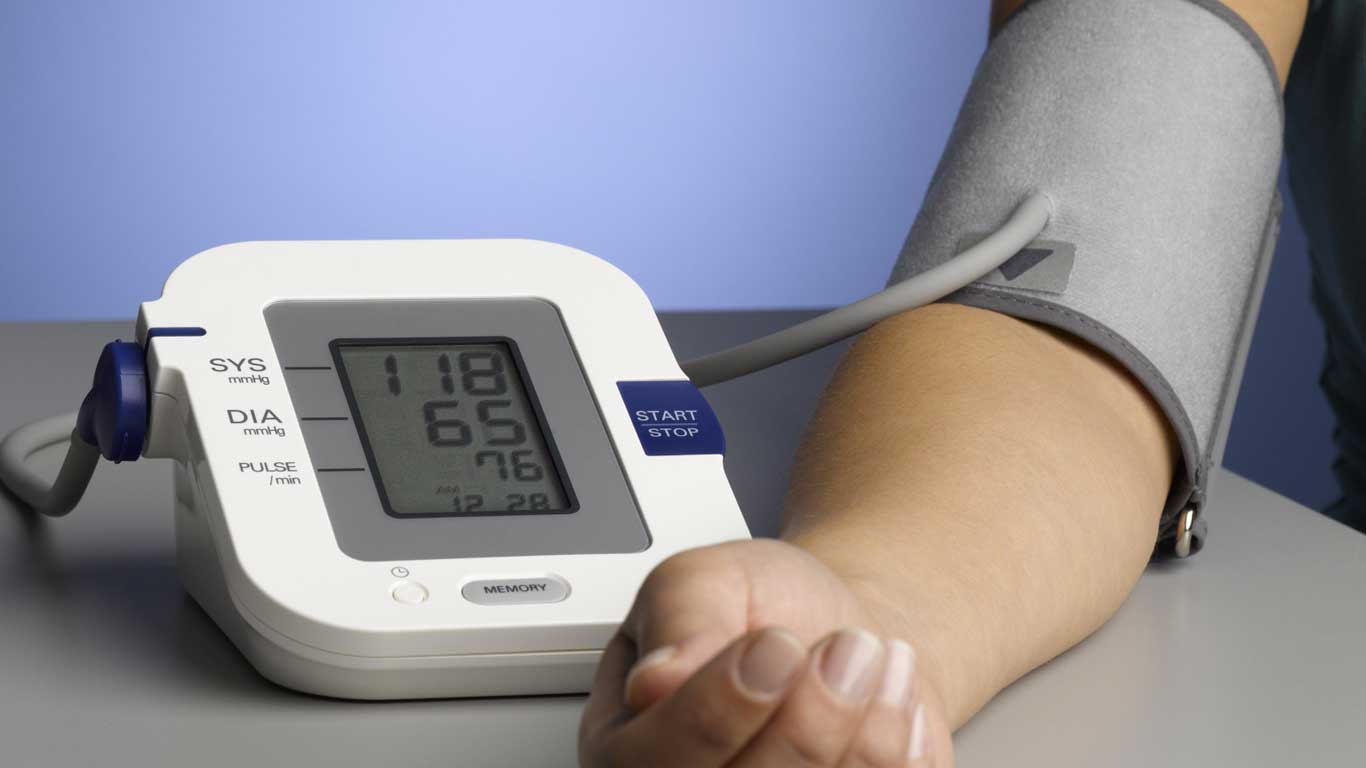
How Do Blood Pressure Monitors Work Livongo Tech Blog

How Do Automatic Blood Pressure Cuffs Work Rk Md
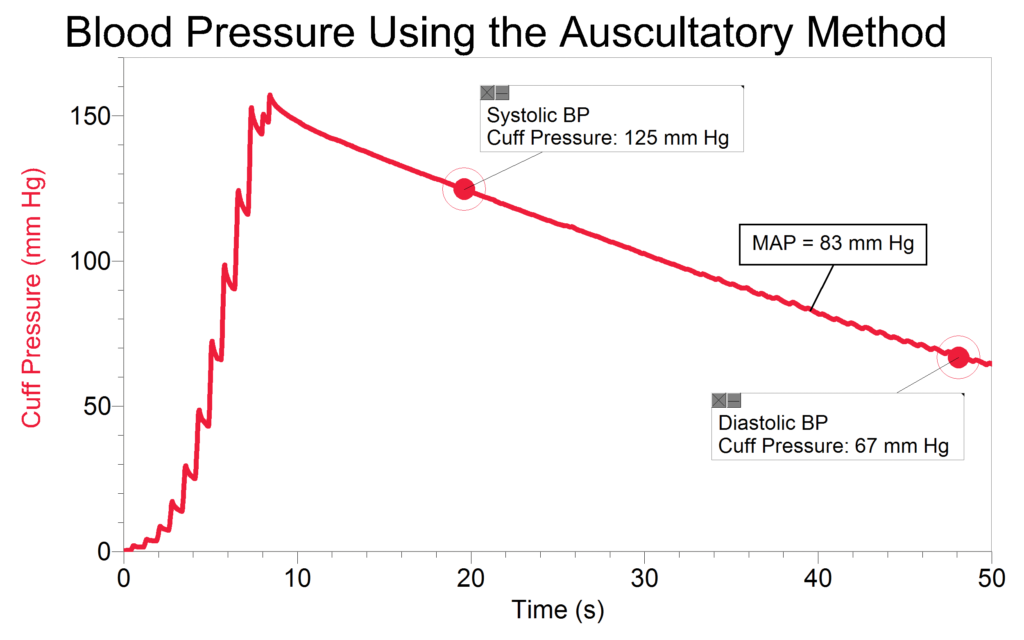
Comparing Blood Pressure Methods

How Blood Pressure Works Animation Sphygmomanometer Blood Pressure Youtube

2 Auscultatory Blood Pressure Measurement Method Source Nichols Download Scientific Diagram

How Blood Pressure Works Animation Understanding Blood Pressure Measurement Monitor Readings Video Youtube
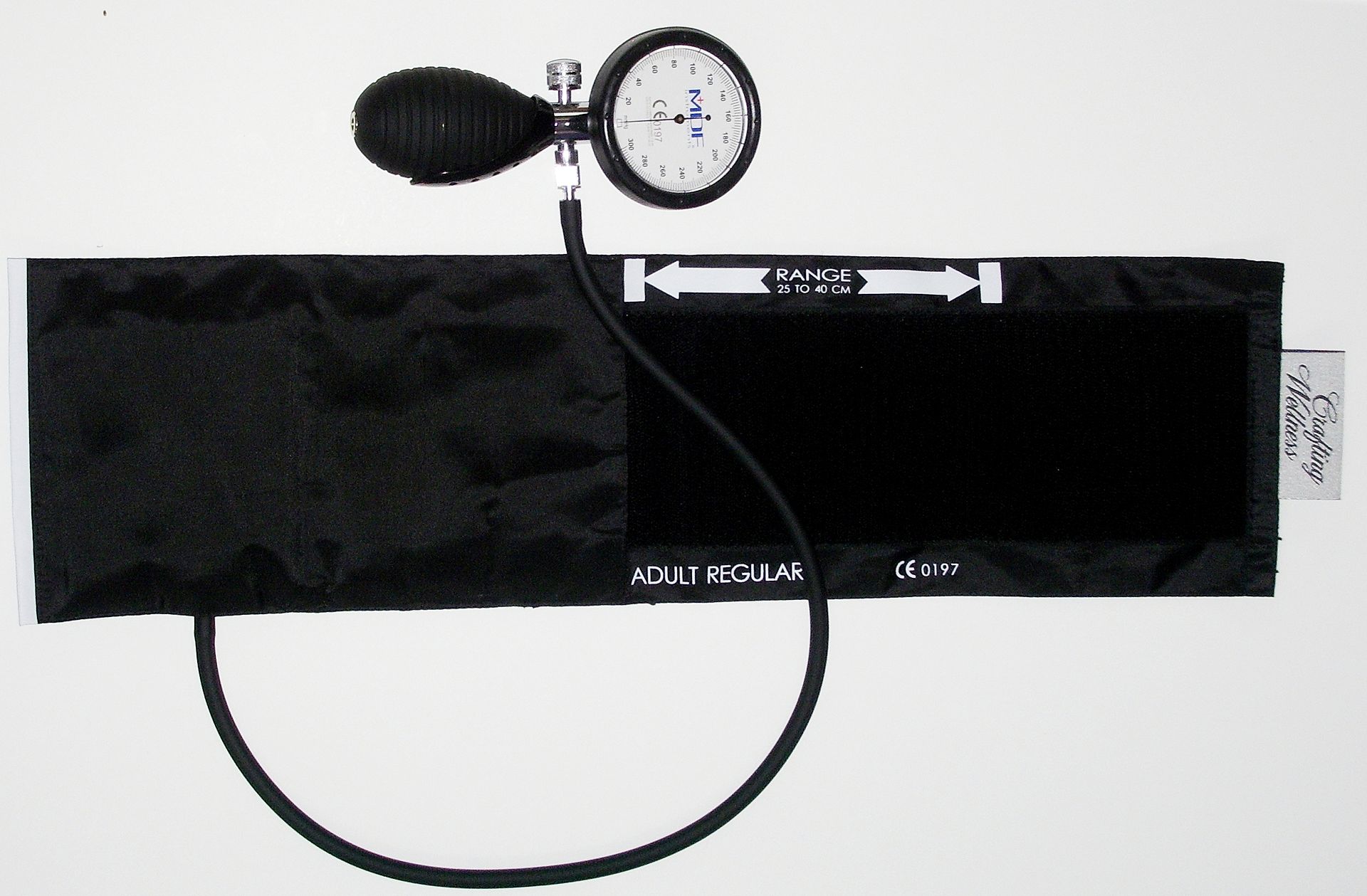
How Do Blood Pressure Monitors Work Livongo Tech Blog

How Do Blood Pressure Monitors Really Work Seca
What Is The Physics Behind Blood Pressure Measurement Quora

Loosened Blood Pressure Guidelines Stir Immediate Controversy Stat
Oscillometric Blood Pressure Measurement Youtube
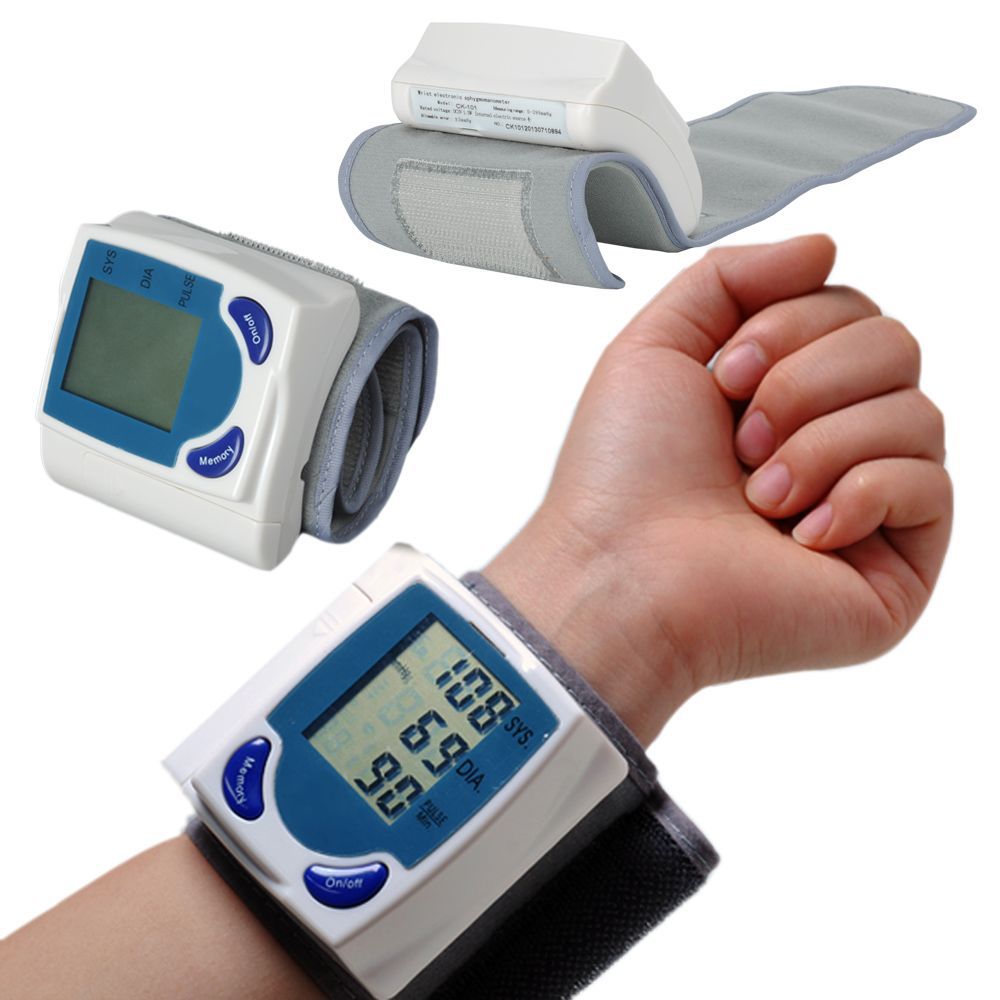
How Do Blood Pressure Monitors Work Livongo Tech Blog
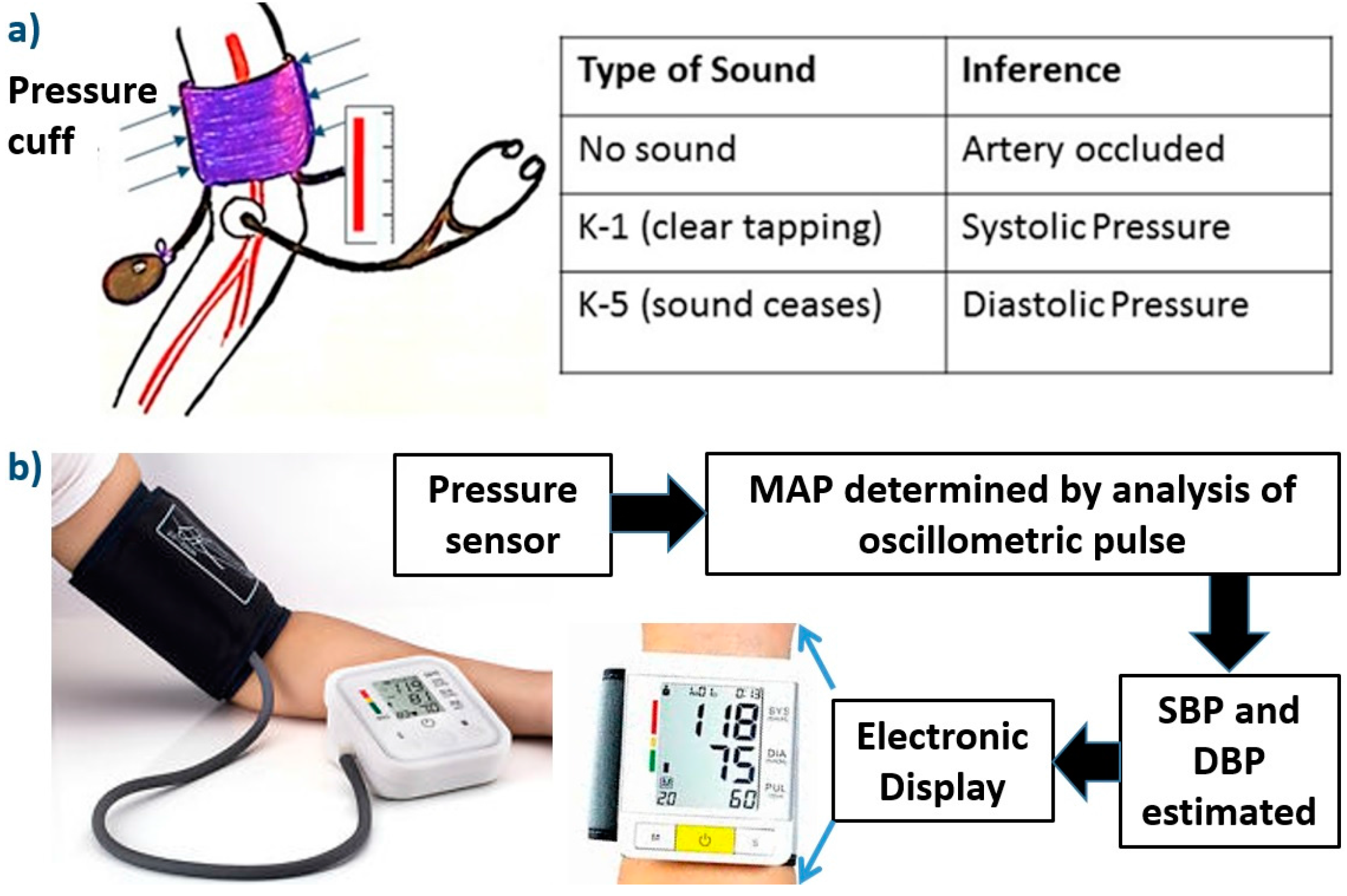
Technologies Free Full Text Cuff Less And Continuous Blood Pressure Monitoring A Methodological Review Html
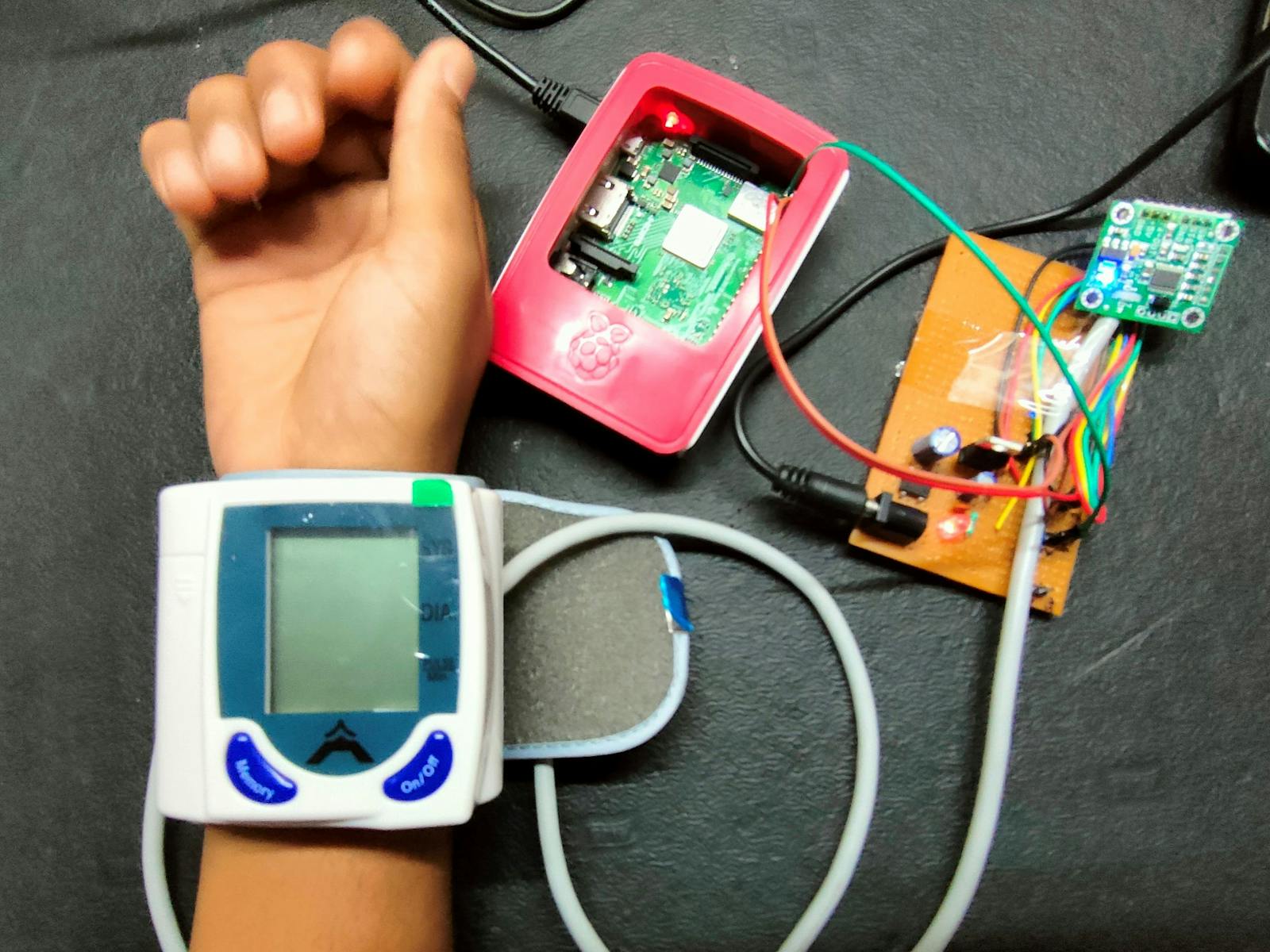
Blood Pressure Sensor Interfacing With Raspberry Pi Hackster Io
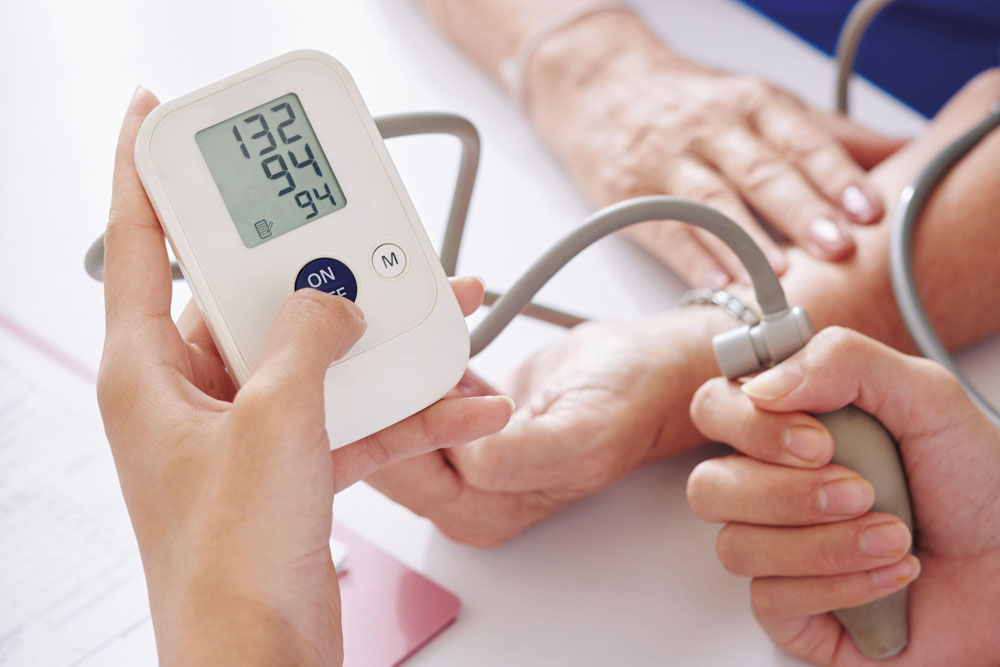
Blood Pressure 1 Key Principles And Types Of Measuring Equipment Nursing Times
Is It True That Measuring Blood Pressure So Often Is Harmful For The Heart Or Health Quora

How Does An Automatic Blood Pressure Machine Work Youtube
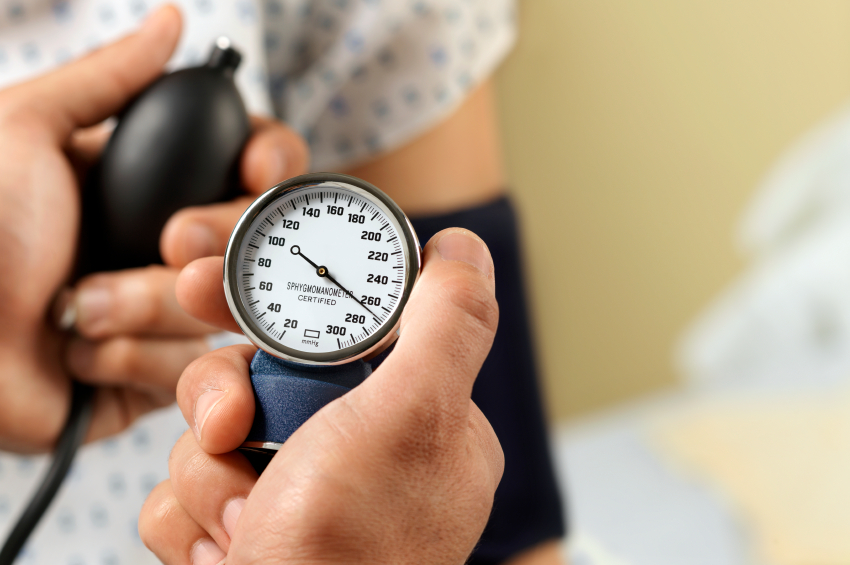
Sciplanet Blood Pressure Gauge

The Sounds Of Blood Pressure What Are We Listening For Whyy